No Appointment Needed!

Tire & Wheel Service

EZ Lube Offers Expert Tire Repair, Sales, and Installation.

cdn-badge-mobile

Tire & Wheel Service

EZ Lube Offers Expert Tire Repair, Sales, and Installation.

Our Tire Services

Keep your tires in top shape with EZ Lube. Our certified technicians handle everything from tire inspections to installations, quickly and professionally, no appointment required.

Tire safety starts with trained technicians!

The Tire Industry Association [TIA] is the leader in technical training and safety. At EZ Lube our technicians are all TIA certified.

Tire_Industry_Association__TIA_-copy-Converted

We scan your tires with an extremely accurate hand-held laser scanner. Lasers and internal navigation sensors analyze the tread-depth and profile of your tires for wear patterns that indicate a possible alignment condition. As a result, you receive a tire inspection report with detailed information on the tread depth of each your tires as well as alignment and rotation recommendations. As part of our multi-point inspection, we will perform a visual inspection to check for cracks, cuts, blisters and bulges as well as check your tire pressure all around to prevent excessive wear before it starts. Incorrect air pressure can cause rapid or uneven tire wear. Tires can be expensive to replace. A little maintenance can go a long way.

Changing your tires at the right time will optimize the life of your tires. Whether buying new or changing for the season, no appointment is needed when you come to EZ Lube. We provide fast, same-day service and our certified technicians will get you rolling quickly.

If your tires need repair we offer same-day service by our professional technicians for repairs, rotations, and balancing.

Performing a periodic tire rotation can extend the life of your tires and save you money. Rotating your tires will avoid uneven wear and can ensure maximum stability and fuel efficiency from your vehicle.

When the seasons change and you need to switch between winter tires and all season or if you just need a change, we offer quick and easy mounting and balancing.

Frequently Asked Questions

Over time your tires will wear out. When you come to EZ Lube we will inspect your tires and provide you with a thorough report on their condition.  The legal limit on tread depth in Canada is 1.6mm or 2/32nd of an inch however many tire manufacturers recommend you replace your tires before they reach this point.
 
In addition to tread depth, temperature plays a key role in the safety of your tires. If you are not using an all-weather tire then, when the average temperatures reach 7°C, it is time to switch your tires from winter to summer or back again.
 
At EZ Lube we will scan your tires with an extremely accurate hand-held laser scanner.  Lasers and internal navigation sensors analyze the tread-depth and profile of your tires for wear patterns that indicate a possible alignment condition. As a result, you receive a tire inspection report with detailed information on the tread depth of each your tires as well as alignment and rotation recommendations. 

At EZ Lube, we offer a variety of tire services including sales, repair, balance and rotation. We are TIA certified. The Tire Industry Association [TIA] is the leader in technical training and safety. At EZ Lube we offer:

• No Appointment Needed
• Same-Day Service
• Large Selection of Brands and Styles
• Certified Tire Technicians

To determine the size of tire that is recommended for your vehicle look inside the door jamb of your car. The manufacturer of your car places a sticker there that lists the recommended width, profile, and wheel size for your vehicle.

When purchasing your new tires, it is important that they suit your vehicle, your driving needs and the current season. Most tires fall into a category of tires that can be driven year-round but if you have seasonal tires they will need to be changed in the spring for the warmer months and in the fall for the cold weather and winter driving conditions.
 
All Weather Tires are best in milder winter conditions with heavy rain, snowfall that melts quickly and slush. The tread design will grip on snow and push away rain and slush to provide stability. The rubber compounds will provide grip above and below 7°C.
 
All Season Tires are really 3-season tires in our west coast conditions. They are designed for warm, dry and mild wet conditions. These tires have a finer tread that is not effective at pushing away snow and slush with rubber compounds that grip best above 7°C.
 
Summer Tires are designed to provide traction in dry or wet weather in the warmer months. They are not designed for temperatures below 7°C or any type of winter driving conditions.
 
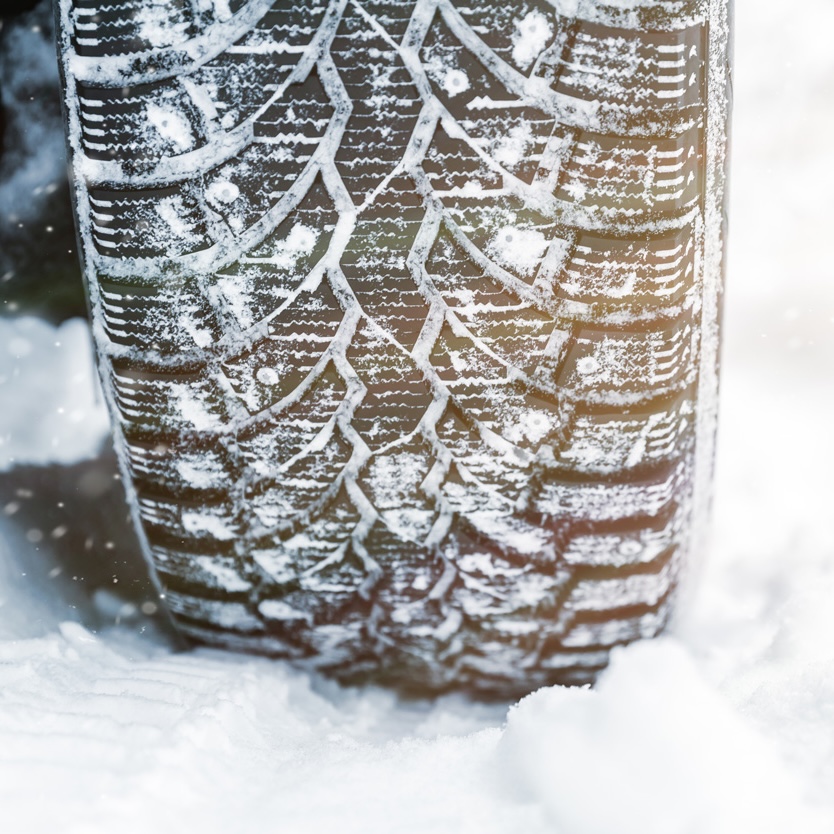
Winter Tires are designed for consistent snowy and icy conditions. They have deep grooves that push away snow and slush to maintain road contact and are designed to stay soft in cold temperatures and provide ultimate grip at temperatures of 7°C and below.

At EZ Lube, we offer top name and value brands for a wide range of car, truck, and SUV tires. If you are uncertain which brand and model would best fit your vehicle and driving conditions, just ask our certified technicians. They will be happy to help.

Featured Services

Fast and friendly service 7 days a week

Our Range of Services

Gears in your transmission deliver power from the engine to the drive wheels. Transmission fluid cools and lubricates the gears. Over time, this fluid breaks down. If it isn’t replaced, components can overheat which will cause transmission failure. Changing the fluid at the correct intervals can help prevent premature wear and damage to the transmission. This applies to both manual and automatic transmissions.

Your engine needs clean air to perform efficiently. The air filter prevents dirt, dust, and debris from entering the engine, where they could cause damage or reduce performance. Over time, the filter becomes clogged, restricting airflow and forcing your engine to work harder. This can lead to reduced fuel economy, sluggish acceleration, and increased emissions. Replacing your air filter at the recommended intervals helps ensure proper airflow, optimal combustion, and maximum engine life. A clean air filter also helps your vehicle maintain peak performance and efficiency in all driving conditions.

The climate control system in your passenger cabin includes a filter element that helps remove dust, pollen, mold spores and other particulates from the air you and your passengers breathe. The cabin air filter aids in protecting the performance of the air conditioning system. It helps to protect your health by improving the quality of the air you breathe in your vehicle. Replacing your cabin air filter on a regular basis can offer relief for asthma, allergy and hay fever sufferers.

Your vehicle’s electrical and visibility systems play a vital role in both performance and safety. A healthy battery provides the power needed to start your engine and operate essential electronics, while your lights and wiper blades keep you safe and visible in all driving conditions. Over time, batteries lose their ability to hold a charge, light bulbs dim or burn out, and wiper blades wear down from exposure to sun, rain, and road debris. Regular inspection and replacement of these items ensure your vehicle operates reliably and keeps you safe behind the wheel.

Every time you press the gas pedal you are controlling how much fuel and air the engine takes in. These calculated amounts of air and fuel are typically mixed together before being sucked into the combustion chamber of an engine cylinder. There, the spark plug ignites the mixture producing the controlled burn that powers the vehicle. It’s important for the fuel in the vehicle to be as clean as possible.

Performing a Fuel System Service:

  • Helps improve fuel economy
  • Helps remove fuel varnish build-up
  • Helps remove intake valve deposits
  • Helps reduce cylinder head deposits
  • Helps improve over all performance

The fuel filter is located on the line that brings fuel from the tank to the engine. Unfortunately, fuel isn’t perfectly clean. The fuel filter picks up any dirt that might interfere with the engine’s performance. Over time, dirt and particles build up in the filter. Changing the fuel filter will maintain a consistent flow of fuel to your engine improving your vehicle’s performance and fuel economy.

Proper lubrication is essential for keeping your vehicle’s moving parts protected from friction and wear. Chassis lubrication helps maintain the smooth operation of suspension and steering components such as ball joints, tie-rod ends, and U-joints. Over time, grease can break down, become contaminated with dirt or moisture, and lose its ability to protect these parts effectively.

Regular lubrication helps ensure that these components move freely and last longer preventing costly repairs down the road.

The differential is a gear box located between the drive wheels of your vehicle. It works with the transmission to deliver power from the engine to the axle to turn the wheels and allows the drive wheels to turn at different speeds while turning a corner. Over time, high operating temperatures can cause the lubricating fluid in the differential to break down and become a thick gum like texture which doesn’t properly lubricate the gears and bearings and can lead to excessive wear. Changing the fluid can help avoid premature wear.

The engine cooling system in your vehicle circulates antifreeze/coolant through the engine and radiator. The antifreeze/coolant is formulated to prevent corrosion inside the cooling system and helps to maintain proper engine operating temperature regardless of outside conditions. Antifreeze/coolant works by removing heat from the engine block, protecting the engine and lubricating the water pump. Replacing the antifreeze/coolant at regular intervals can help prevent overheating, freezing and premature cooling-system corrosion.

Mostly featured in modern cars, power steering is a function that allows drivers to move the steering wheel with ease. Power steering fluid acts as a lubricant for the power steering pump. Over time, particles and sludge can build up in the fluid and this will put stress on your power steering fluid pump and the rest of the system. O-rings, seals and other internal power steering components can deteriorate and result in a leak. If you notice a visible difference in the way your steering wheel functions; stiffness, squealing, whining or vibrations, we suggest you check the level of the power steering fluid. Failing to address any of these issues may cause further problems with your vehicle. You should check the power-steering fluid reservoir monthly to make sure it has the proper amount and to ensure there are no leaks.

Some manufacturers recommend flushing the system at certain intervals. Experts suggest changing power steering fluid anywhere from two years to every 125,000 km. Although a “universal” power steering fluid may be satisfactory for many applications, some vehicles do require special additives for seal and pump lubricity and corrosion protection. As always, it is best to check your owner’s manual.

Why put clean oil into a dirty engine. An oil system cleaning is an oil product that is used to thoroughly clean your crankcase prior to adding fresh oil during your oil change. It can improve oil circulation by cleaning clogged screens and by removing piston varnish and sludge.

The transfer case is a special gear box found in four-wheel and all-wheel-drive vehicles. It sends drive power from the engine to the front and rear axles. In all-wheel-drive vehicles, the transfer case can shift power from one axle to another depending upon traction conditions. Lubricant fluid in the transfer case helps to keep its gears cool and turning smoothly. Like engine oil, the fluid that lubricates the transfer case will begin to break down over time and lead to excessive wear on bearings and gears. Replacing this fluid at the correct intervals can help prevent early wear.

We Offer A Range Of Services:

The engine cooling system in your vehicle circulates antifreeze/coolant through the engine and radiator. The antifreeze/coolant is formulated to prevent corrosion inside the cooling system and helps to maintain proper engine operating temperature regardless of outside conditions. Antifreeze/coolant works by removing heat from the engine block, protecting the engine and lubricating the water pump. Replacing the antifreeze/coolant at regular intervals can help prevent overheating, freezing and premature cooling-system corrosion.

Gears in your transmission deliver power from the engine to the drive wheels. Transmission fluid cools and lubricates the gears. Over time, this fluid breaks down. If it isn’t replaced, components can overheat which will cause transmission failure. Changing the fluid at the correct intervals can help prevent premature wear and damage to the transmission. This applies to both manual and automatic transmissions.

The transfer case is a special gear box found in four-wheel and all-wheel-drive vehicles. It sends drive power from the engine to the front and rear axles. In all-wheel-drive vehicles, the transfer case can shift power from one axle to another depending upon traction conditions. Lubricant fluid in the transfer case helps to keep its gears cool and turning smoothly. Like engine oil, the fluid that lubricates the transfer case will begin to break down over time and lead to excessive wear on bearings and gears. Replacing this fluid at the correct intervals can help prevent early wear.

The transfer case is a special gear box found in four-wheel and all-wheel-drive vehicles. It sends drive power from the engine to the front and rear axles. In all-wheel-drive vehicles, the transfer case can shift power from one axle to another depending upon traction conditions. Lubricant fluid in the transfer case helps to keep its gears cool and turning smoothly. Like engine oil, the fluid that lubricates the transfer case will begin to break down over time and lead to excessive wear on bearings and gears. Replacing this fluid at the correct intervals can help prevent early wear.

The transfer case is a special gear box found in four-wheel and all-wheel-drive vehicles. It sends drive power from the engine to the front and rear axles. In all-wheel-drive vehicles, the transfer case can shift power from one axle to another depending upon traction conditions. Lubricant fluid in the transfer case helps to keep its gears cool and turning smoothly. Like engine oil, the fluid that lubricates the transfer case will begin to break down over time and lead to excessive wear on bearings and gears. Replacing this fluid at the correct intervals can help prevent early wear.

Greasing

Batteries, Lights Bulbs and Wiper Blades

Mostly featured in modern cars, power steering is a function that allows drivers to move the steering wheel with ease. Power steering fluid acts as a lubricant for the power steering pump. Over time, particles and sludge can build up in the fluid and this will put stress on your power steering fluid pump and the rest of the system. O-rings, seals and other internal power steering components can deteriorate and result in a leak. If you notice a visible difference in the way your steering wheel functions; stiffness, squealing, whining or vibrations, we suggest you check the level of the power steering fluid. Failing to address any of these issues may cause further problems with your vehicleYou should check the power-steering fluid reservoir monthly to make sure it has the proper amount and to ensure there are no leaks.

Some manufacturers recommend flushing the system at certain intervals. Experts suggest changing power steering fluid anywhere from two years to every 125,000 km. Although a “universal” powers steering fluid may be satisfactory for many applications, some vehicles do require special additives for seal and pump lubricity and corrosion protection. As always, it is best to check your owner’s manual.

The differential is a gear box located between the drive wheels of your vehicle. It works with the transmission to deliver power from the engine to the axle to turn the wheels and allows the drive wheels to turn at different speeds while turning a corner. Over time, high operating temperatures can cause the lubricating fluid in the differential to break down and become a thick gum like texture which doesn’t properly lubricate the gears and bearings and can lead to excessive wear. Changing the fluid can help avoid premature wear.

The transfer case is a special gear box found in four-wheel and all-wheel-drive vehicles. It sends drive power from the engine to the front and rear axles. In all-wheel-drive vehicles, the transfer case can shift power from one axle to another depending upon traction conditions. Lubricant fluid in the transfer case helps to keep its gears cool and turning smoothly. Like engine oil, the fluid that lubricates the transfer case will begin to break down over time and lead to excessive wear on bearings and gears. Replacing this fluid at the correct intervals can help prevent early wear.

The transfer case is a special gear box found in four-wheel and all-wheel-drive vehicles. It sends drive power from the engine to the front and rear axles. In all-wheel-drive vehicles, the transfer case can shift power from one axle to another depending upon traction conditions. Lubricant fluid in the transfer case helps to keep its gears cool and turning smoothly. Like engine oil, the fluid that lubricates the transfer case will begin to break down over time and lead to excessive wear on bearings and gears. Replacing this fluid at the correct intervals can help prevent early wear.

The transfer case is a special gear box found in four-wheel and all-wheel-drive vehicles. It sends drive power from the engine to the front and rear axles. In all-wheel-drive vehicles, the transfer case can shift power from one axle to another depending upon traction conditions. Lubricant fluid in the transfer case helps to keep its gears cool and turning smoothly. Like engine oil, the fluid that lubricates the transfer case will begin to break down over time and lead to excessive wear on bearings and gears. Replacing this fluid at the correct intervals can help prevent early wear.

We Offer A Range Of Services:

The engine cooling system in your vehicle circulates antifreeze/coolant through the engine and radiator. The antifreeze/coolant is formulated to prevent corrosion inside the cooling system and helps to maintain proper engine operating temperature regardless of outside conditions. Antifreeze/coolant works by removing heat from the engine block, protecting the engine and lubricating the water pump. Replacing the antifreeze/coolant at regular intervals can help prevent overheating, freezing and premature cooling-system corrosion.

Gears in your transmission deliver power from the engine to the drive wheels. Transmission fluid cools and lubricates the gears. Over time, this fluid breaks down. If it isn’t replaced, components can overheat which will cause transmission failure. Changing the fluid at the correct intervals can help prevent premature wear and damage to the transmission. This applies to both manual and automatic transmissions.

The transfer case is a special gear box found in four-wheel and all-wheel-drive vehicles. It sends drive power from the engine to the front and rear axles. In all-wheel-drive vehicles, the transfer case can shift power from one axle to another depending upon traction conditions. Lubricant fluid in the transfer case helps to keep its gears cool and turning smoothly. Like engine oil, the fluid that lubricates the transfer case will begin to break down over time and lead to excessive wear on bearings and gears. Replacing this fluid at the correct intervals can help prevent early wear.

The transfer case is a special gear box found in four-wheel and all-wheel-drive vehicles. It sends drive power from the engine to the front and rear axles. In all-wheel-drive vehicles, the transfer case can shift power from one axle to another depending upon traction conditions. Lubricant fluid in the transfer case helps to keep its gears cool and turning smoothly. Like engine oil, the fluid that lubricates the transfer case will begin to break down over time and lead to excessive wear on bearings and gears. Replacing this fluid at the correct intervals can help prevent early wear.

The transfer case is a special gear box found in four-wheel and all-wheel-drive vehicles. It sends drive power from the engine to the front and rear axles. In all-wheel-drive vehicles, the transfer case can shift power from one axle to another depending upon traction conditions. Lubricant fluid in the transfer case helps to keep its gears cool and turning smoothly. Like engine oil, the fluid that lubricates the transfer case will begin to break down over time and lead to excessive wear on bearings and gears. Replacing this fluid at the correct intervals can help prevent early wear.

Greasing

Batteries, Lights Bulbs and Wiper Blades

Mostly featured in modern cars, power steering is a function that allows drivers to move the steering wheel with ease. Power steering fluid acts as a lubricant for the power steering pump. Over time, particles and sludge can build up in the fluid and this will put stress on your power steering fluid pump and the rest of the system. O-rings, seals and other internal power steering components can deteriorate and result in a leak. If you notice a visible difference in the way your steering wheel functions; stiffness, squealing, whining or vibrations, we suggest you check the level of the power steering fluid. Failing to address any of these issues may cause further problems with your vehicleYou should check the power-steering fluid reservoir monthly to make sure it has the proper amount and to ensure there are no leaks.

Some manufacturers recommend flushing the system at certain intervals. Experts suggest changing power steering fluid anywhere from two years to every 125,000 km. Although a “universal” powers steering fluid may be satisfactory for many applications, some vehicles do require special additives for seal and pump lubricity and corrosion protection. As always, it is best to check your owner’s manual.

The differential is a gear box located between the drive wheels of your vehicle. It works with the transmission to deliver power from the engine to the axle to turn the wheels and allows the drive wheels to turn at different speeds while turning a corner. Over time, high operating temperatures can cause the lubricating fluid in the differential to break down and become a thick gum like texture which doesn’t properly lubricate the gears and bearings and can lead to excessive wear. Changing the fluid can help avoid premature wear.

The transfer case is a special gear box found in four-wheel and all-wheel-drive vehicles. It sends drive power from the engine to the front and rear axles. In all-wheel-drive vehicles, the transfer case can shift power from one axle to another depending upon traction conditions. Lubricant fluid in the transfer case helps to keep its gears cool and turning smoothly. Like engine oil, the fluid that lubricates the transfer case will begin to break down over time and lead to excessive wear on bearings and gears. Replacing this fluid at the correct intervals can help prevent early wear.

The transfer case is a special gear box found in four-wheel and all-wheel-drive vehicles. It sends drive power from the engine to the front and rear axles. In all-wheel-drive vehicles, the transfer case can shift power from one axle to another depending upon traction conditions. Lubricant fluid in the transfer case helps to keep its gears cool and turning smoothly. Like engine oil, the fluid that lubricates the transfer case will begin to break down over time and lead to excessive wear on bearings and gears. Replacing this fluid at the correct intervals can help prevent early wear.

The transfer case is a special gear box found in four-wheel and all-wheel-drive vehicles. It sends drive power from the engine to the front and rear axles. In all-wheel-drive vehicles, the transfer case can shift power from one axle to another depending upon traction conditions. Lubricant fluid in the transfer case helps to keep its gears cool and turning smoothly. Like engine oil, the fluid that lubricates the transfer case will begin to break down over time and lead to excessive wear on bearings and gears. Replacing this fluid at the correct intervals can help prevent early wear.

Customer Reviews